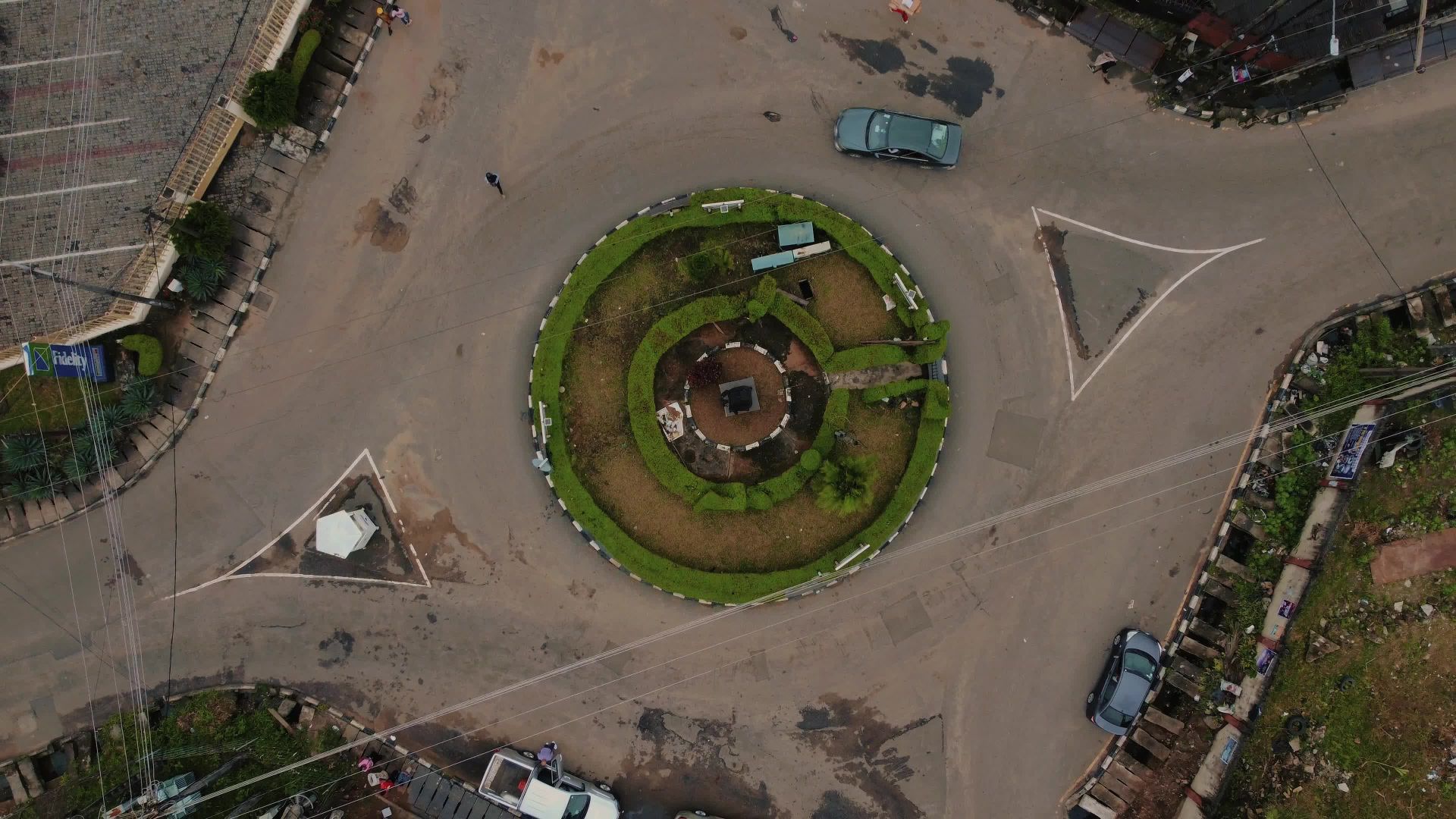
Traffic signal systems for Nigerian cities
Junctions that keepthe city moving.
We design, install and run traffic signals, adaptive control and roadworks signalling for road authorities, contractors and campuses.
Why Notraffix
Most congestion isn't a road problem. It's a timing problem. We fix it junction by junction, with signals that respond to the traffic actually there.
Hardware that suits the climate
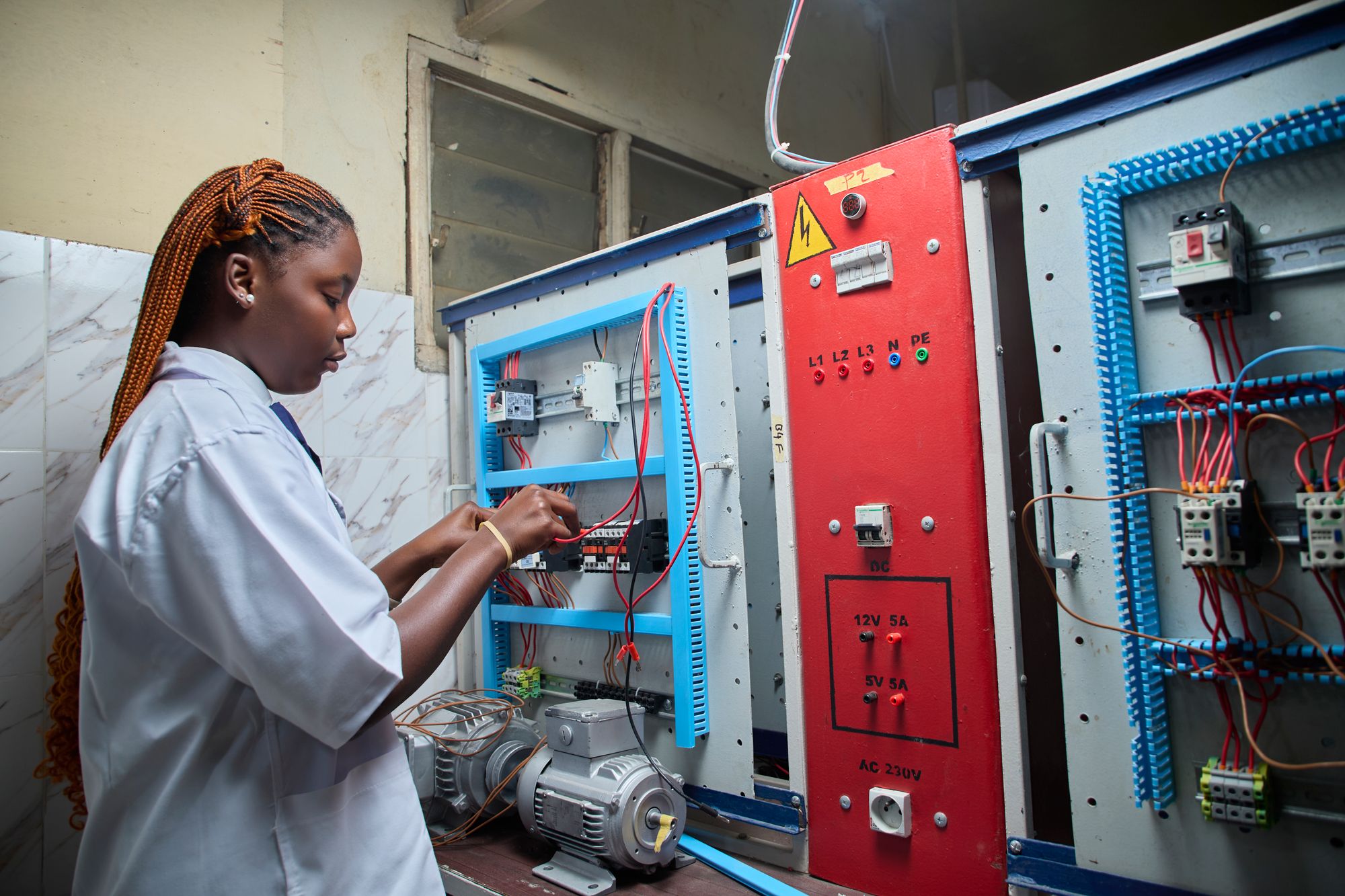
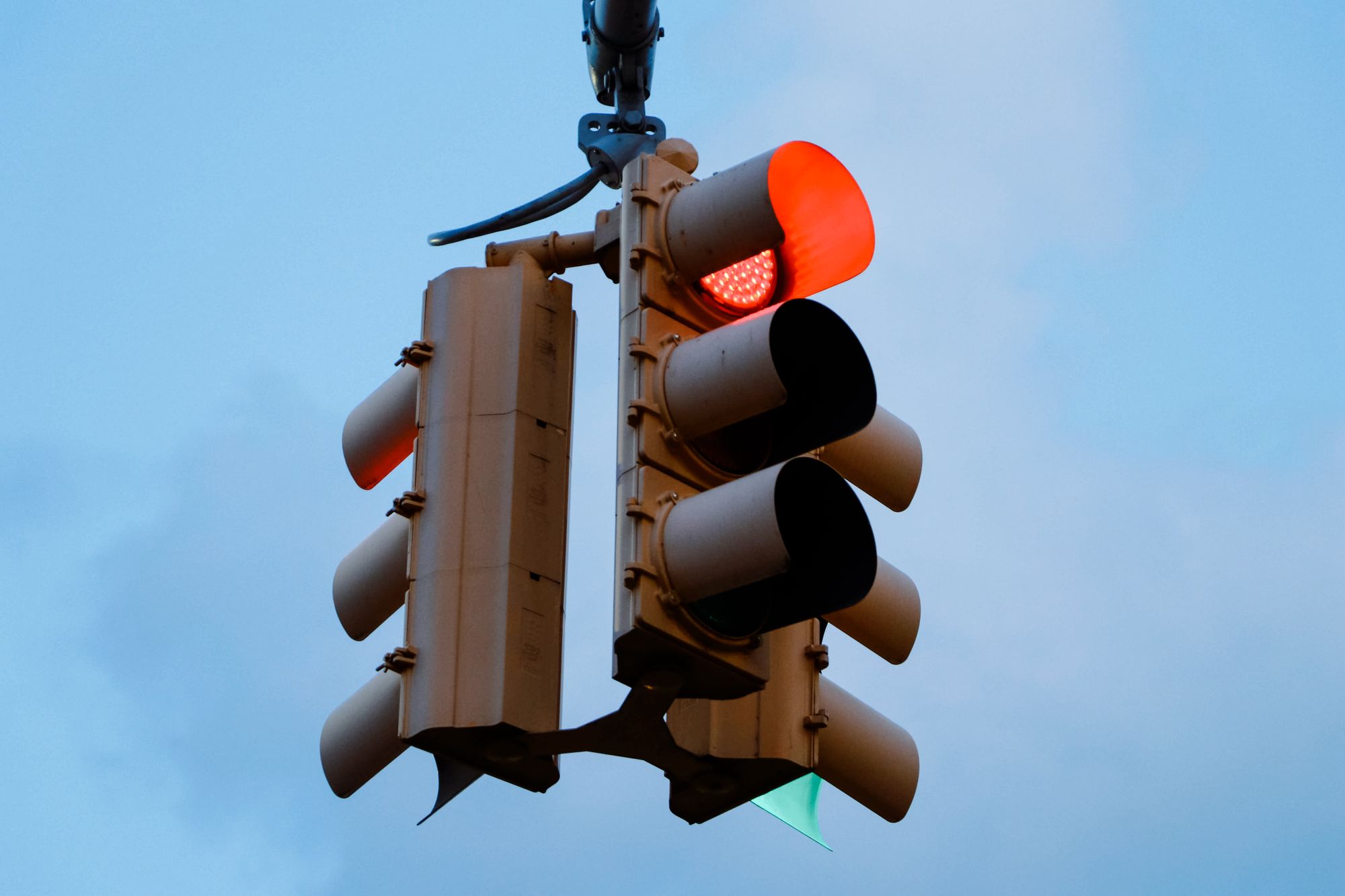
Controllers, heads and cabinets specified for heat, dust and heavy rain, with backup power on every junction.
Engineers who stay on
The team that surveys and installs your junctions also monitors and maintains them afterwards.
Solutions
Everything a junction needs, from the pole to the control room.
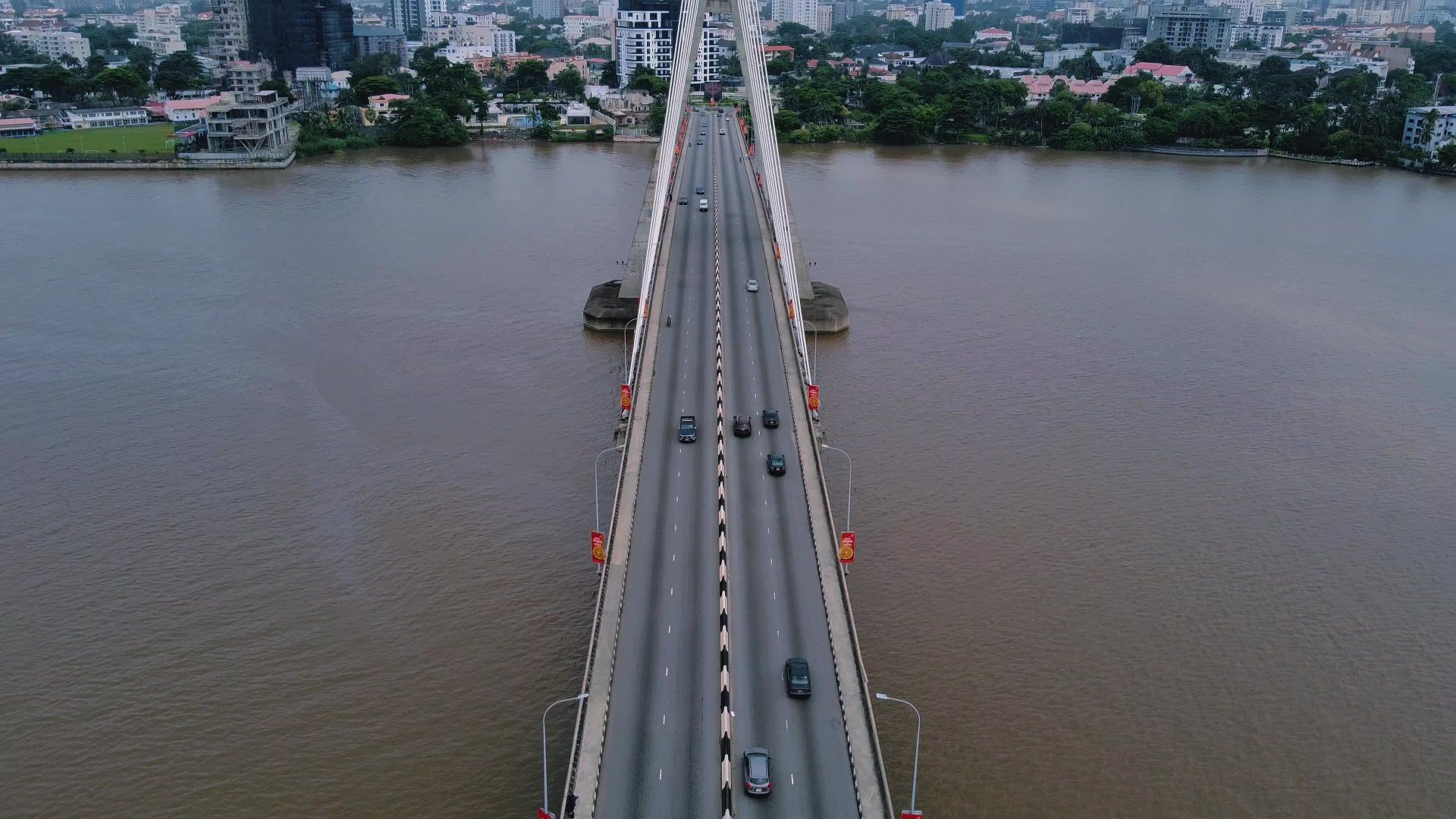
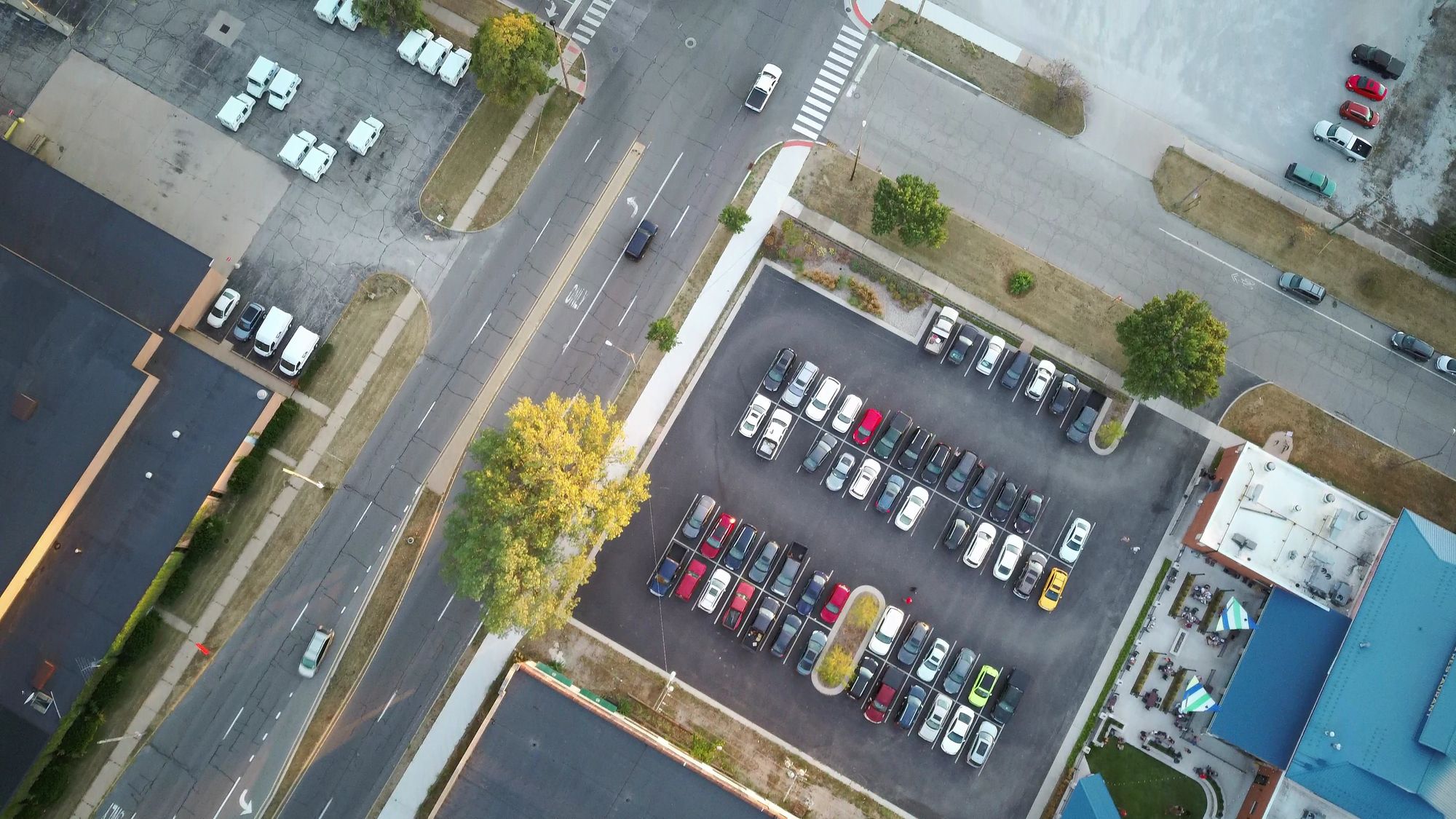
Signal installation, Adaptive control, Bus and emergency priority, Monitoring and data, Roadworks signalling, Parking guidance
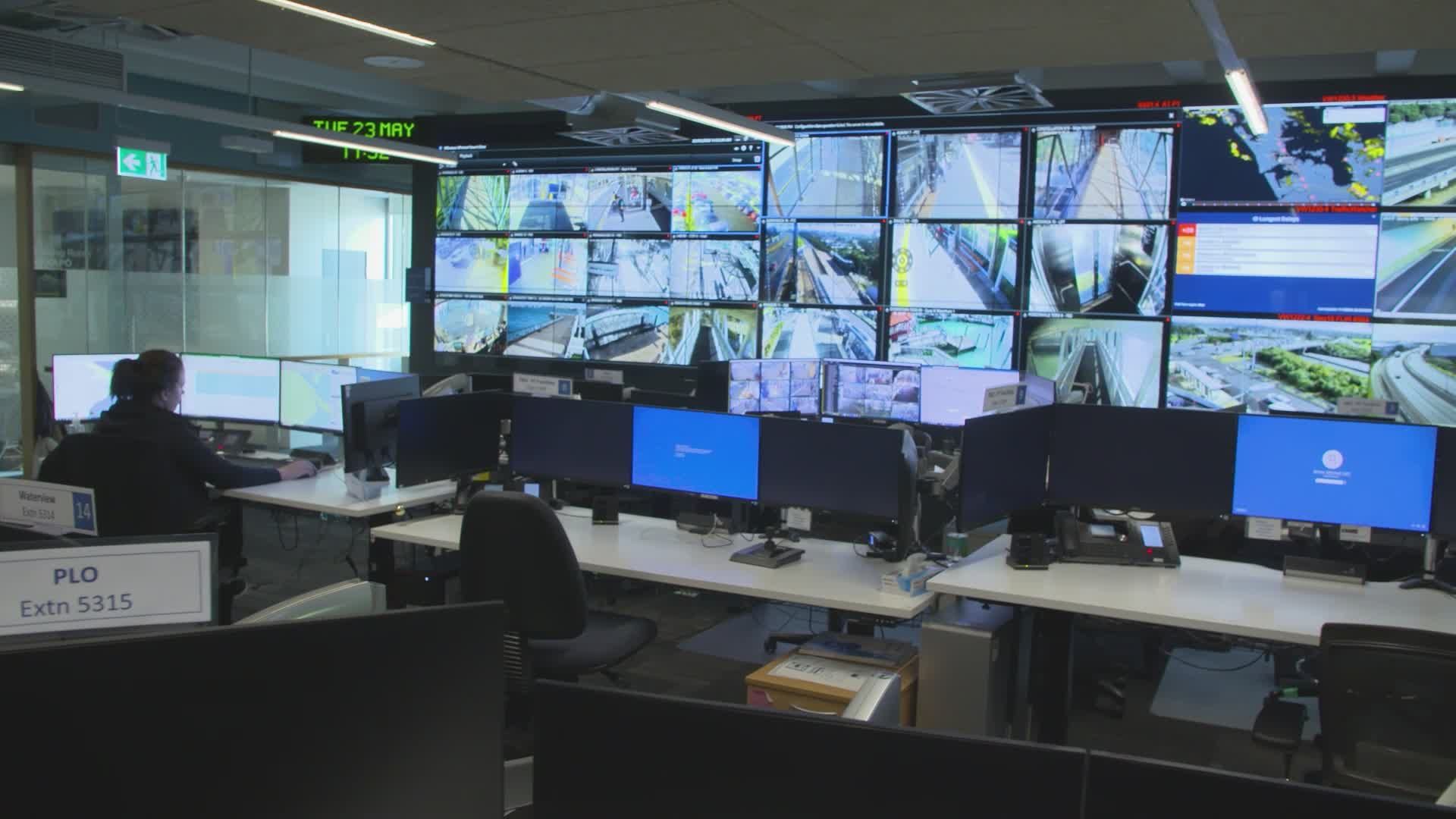
Monitoring and control
One control room for every junction you own.
Phase state, queues and faults for the whole network on one screen. Engineers can re-time a corridor or push an incident plan in seconds, without a site visit.
Faults raised in seconds
Lamp, controller and power faults alert our team day and night.
Plans pushed remotely
Timing plans are scheduled, changed and rolled back from the console.
Data you can use
Counts, delays and incidents in monthly reports and an open API.

Adaptive control
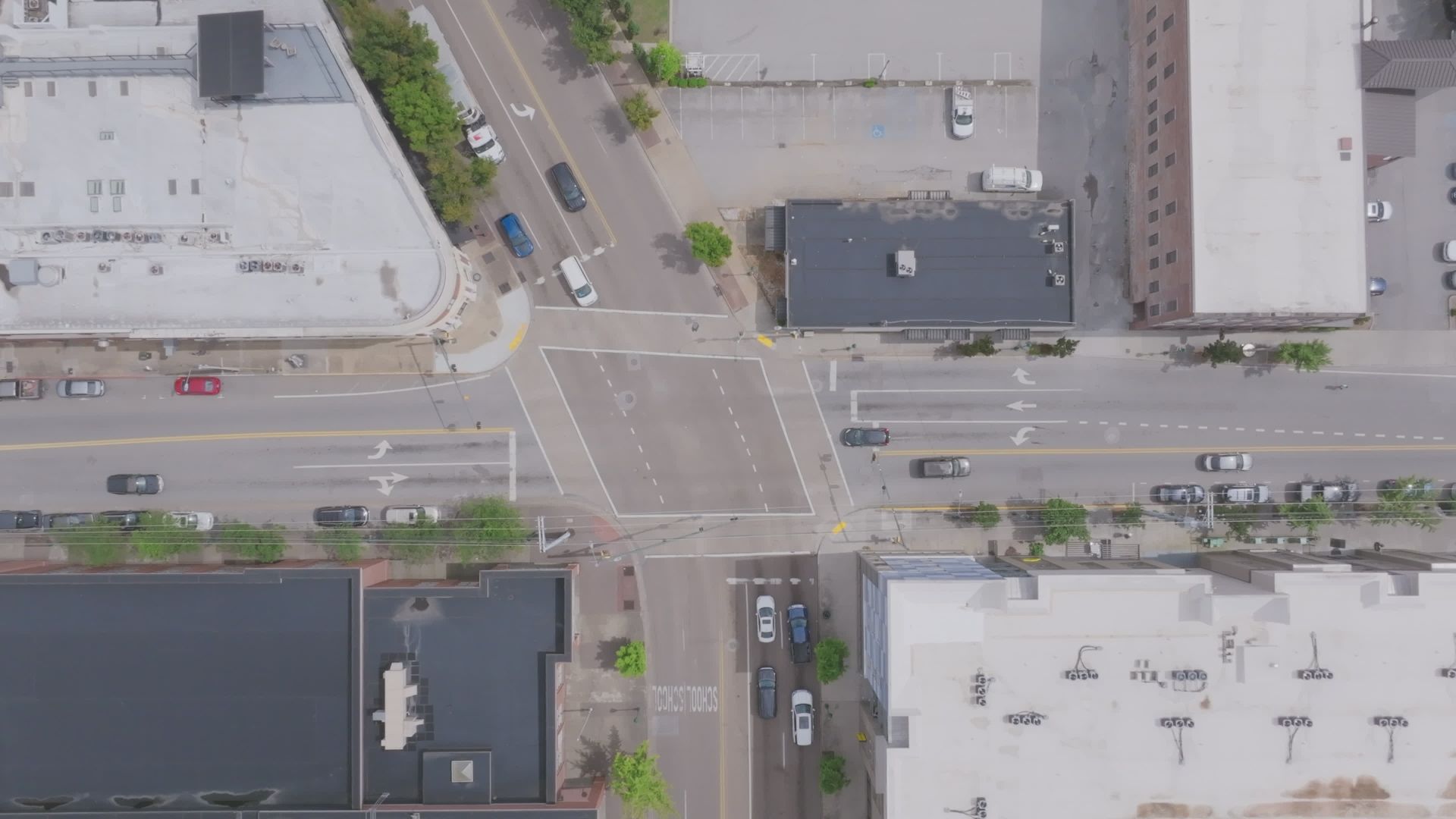
Timings that follow the traffic, not the clock.
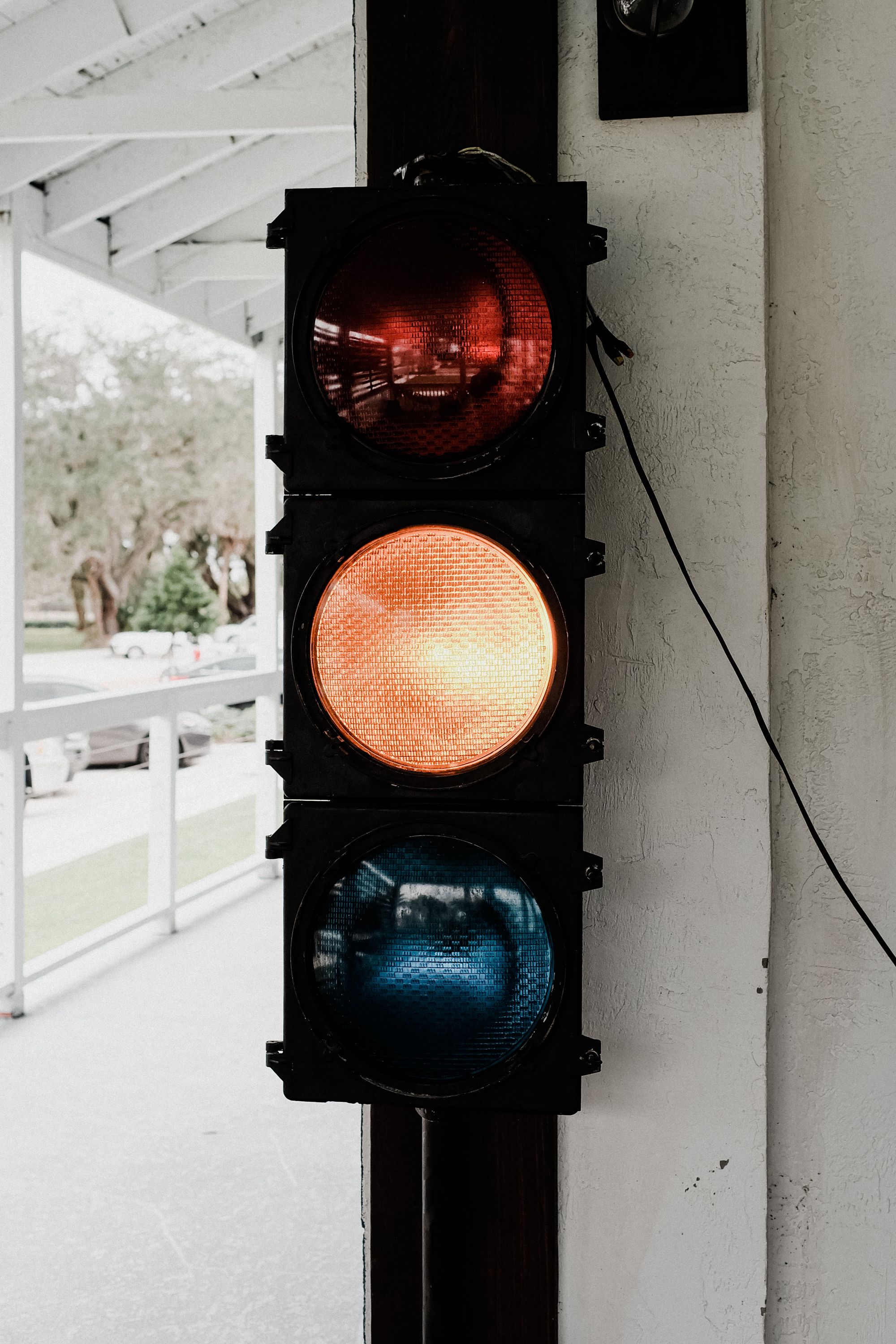
Fixed timing plans can't keep up with a city that changes by the minute. Adaptive control measures demand on every approach and adjusts cycle length, green splits and offsets continuously, so neighbouring junctions move traffic in green waves.
- Updates
- Every signal cycle
- Scale
- One junction to a whole city
- Fallback
- Local fixed-time plans
- Integration
- Open API, NTCIP

Roadworks signalling
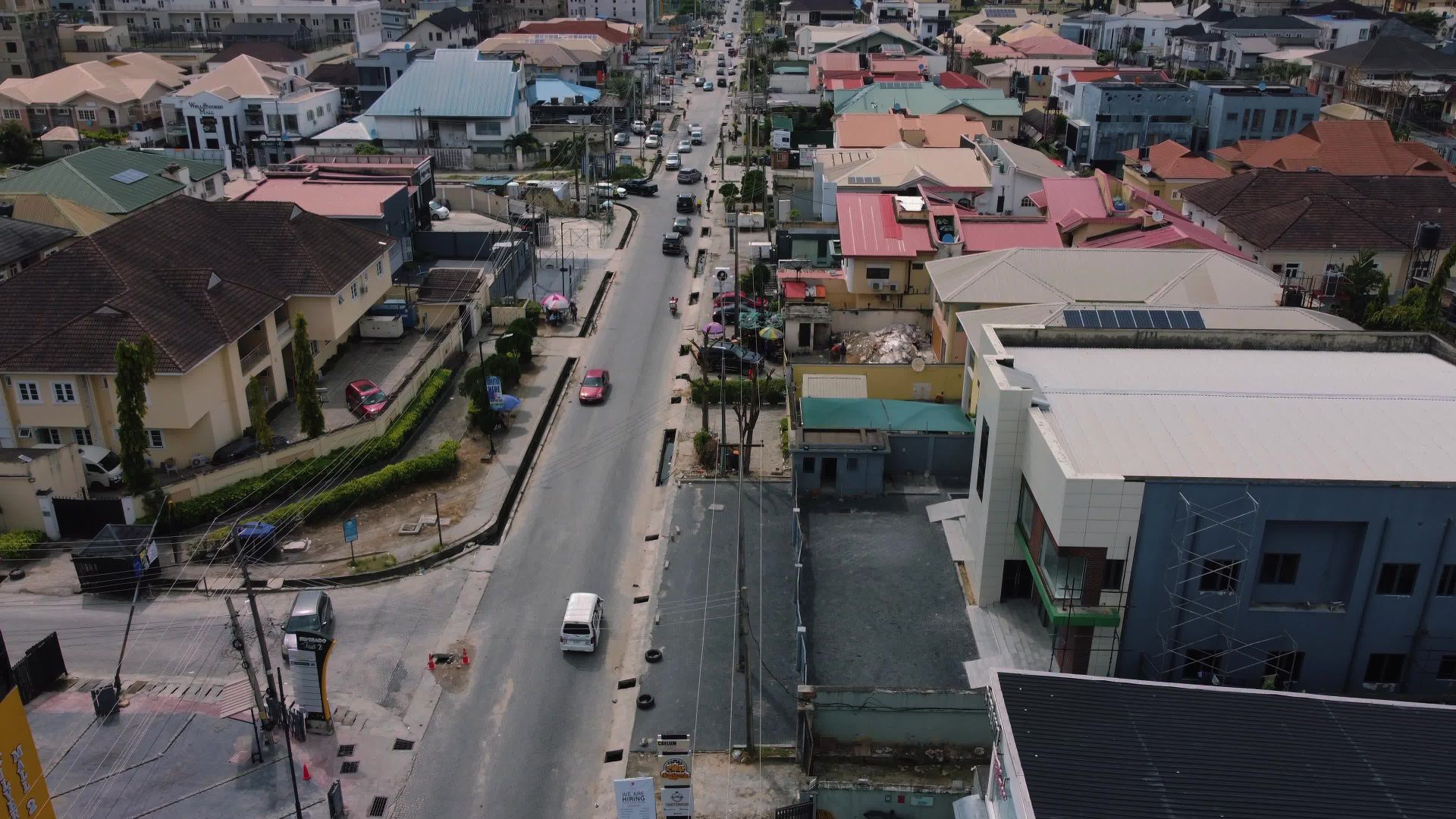
Roadworks that keep traffic moving.
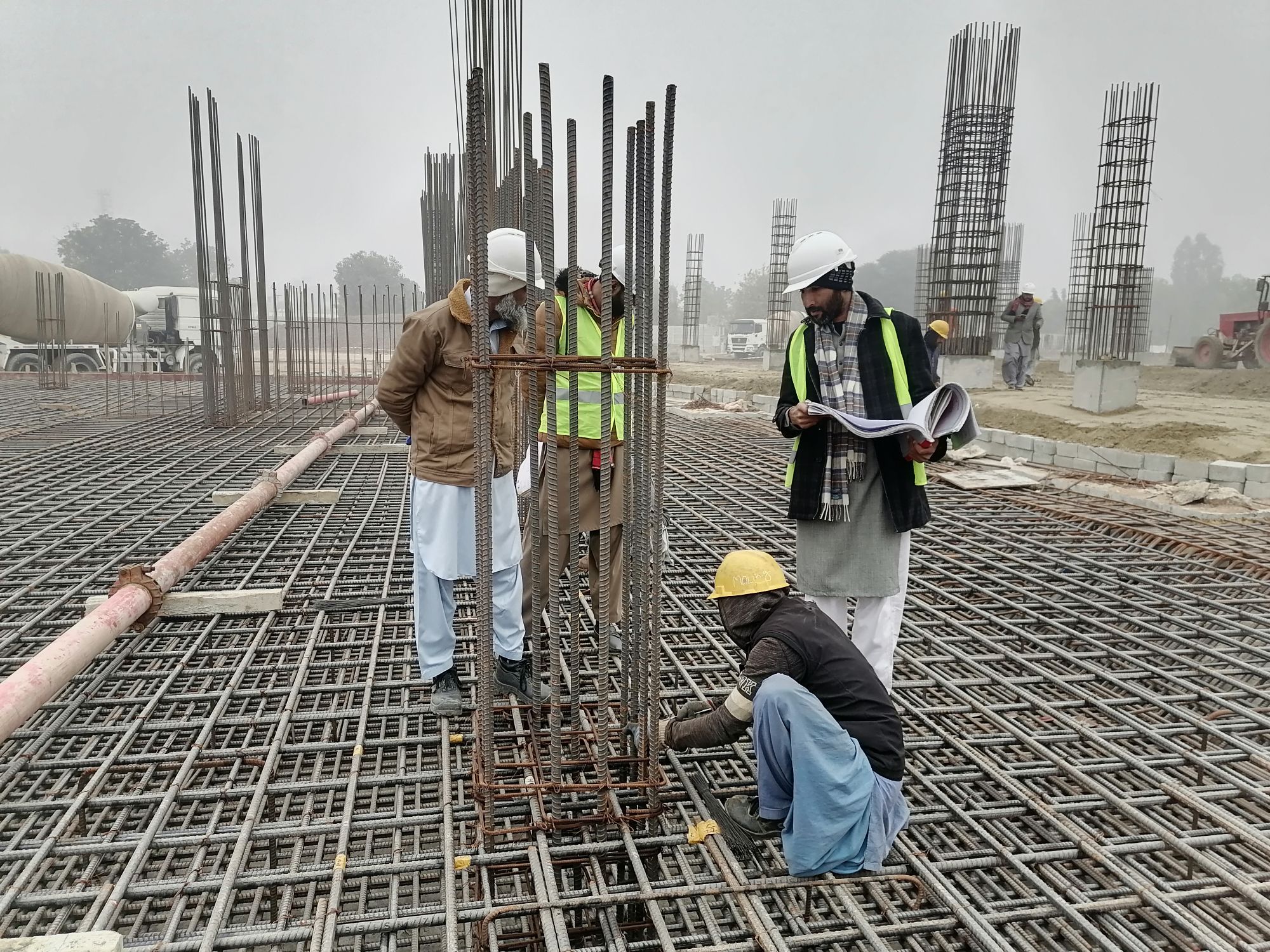
Radio-linked portable signals go up in minutes with no cable between heads, and scale up to cabled systems for bigger sites. We prepare the traffic management plan and permits, set up on site, and monitor the lights remotely until the job is done.
- Set-up
- Under 30 minutes a site
- Power
- Battery, solar or mains
- Link
- Fail-safe radio
- Terms
- Rent, lease or buy
How a project runs
From the first count to years of monitored operation.
 Step 1
Survey
We count, film and model the junction to see where the time is actually lost.
 Step 2
Design
Signal layout, phasing and timing plans, signed off with the road authority.
- Step 3
Install
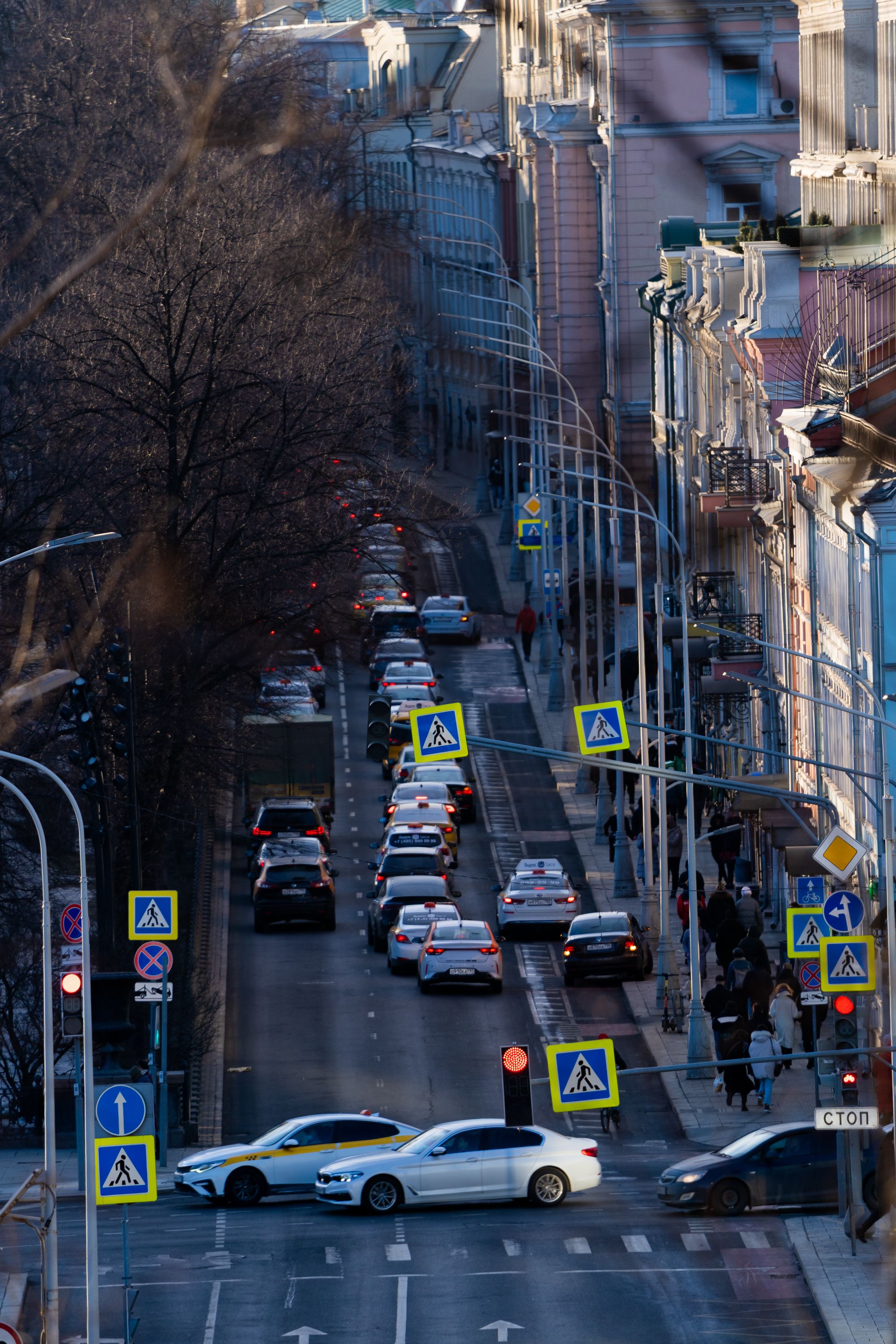
Civil works, cabling and commissioning, scheduled around traffic.
- Step 4
Operate
24/7 monitoring, regular re-timing and a fault line that answers.
Projects
Work on the roads you drive.
Usually, yes. We audit what's on site and connect compatible controllers over open protocols. Equipment is only replaced where it's unsafe or can't be connected.
Controllers run on battery backup, and solar is available. If a junction does lose power it goes to a safe state, and our control room is alerted straight away.
Portable radio signals usually take under 30 minutes a site once the traffic management plan is approved.
Yes. We prepare traffic management plans and work with the road authority on your behalf.
Yes. Short-term rental, leases and outright purchase are all available.
Start a project
Start with one junction. We'll show you the minutes it gives back.
Tell us where it is and what's going wrong. A traffic engineer replies within two working days.